
SEARCH THE BIG DROP
THE DAILY BIG DROP — FREE

The Worst News of the Day
(Or How Bad Is It?)
Who is taking land, who is paying for the power and what switches on next. Free, and you can leave whenever you like.
The Worst News of the Day
(Or How Bad Is It?)
Who is taking land, who is paying for the power and what switches on next. Free, and you can leave whenever you like.

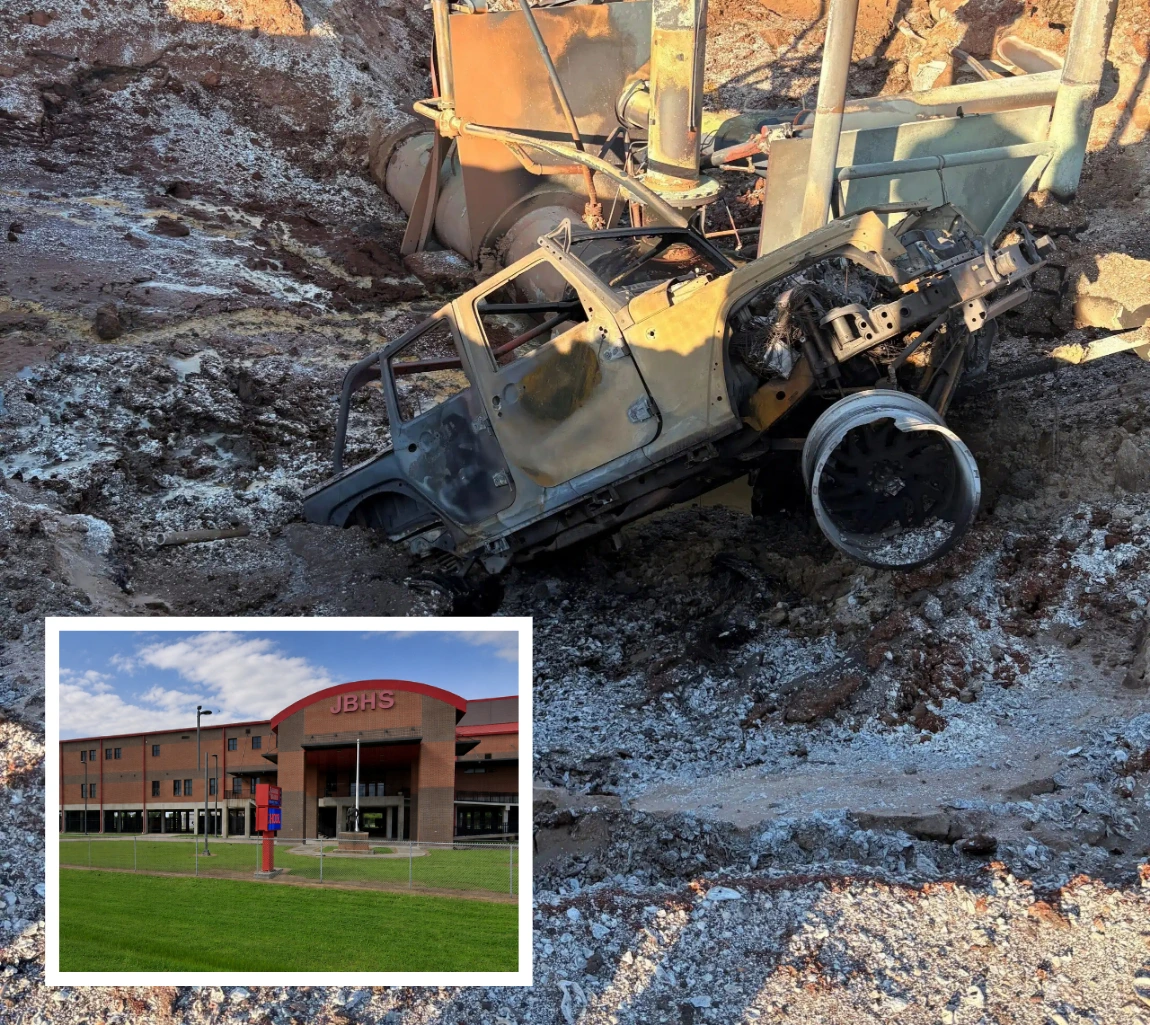
Under thousands of American neighborhoods runs a transmission main, a steel pipe as wide as a dinner table, moving natural gas at pressures above 1,000 pounds per square inch. Federal safety rules recognize a potential impact radius of roughly 1,100 feet around some of these lines. Inside that circle, a rupture can turn an ordinary block into a life-or-death zone in seconds, with heat intense enough to ignite and destroy buildings before residents can get clear. No federal law requires the operator to tell them it is there.
Every marker is a real school or hospital standing inside a buried line’s blast ring. Click a school or hospital, then press Detonate.
Traced lines are mapped gas-transmission pipelines, from the U.S. Energy Information Administration. Numbered circles count the schools and hospitals in range. The map is live — search, zoom and detonate right here, or open it full-screen.
Real schools sitting inside the blast radius of a large buried transmission line.
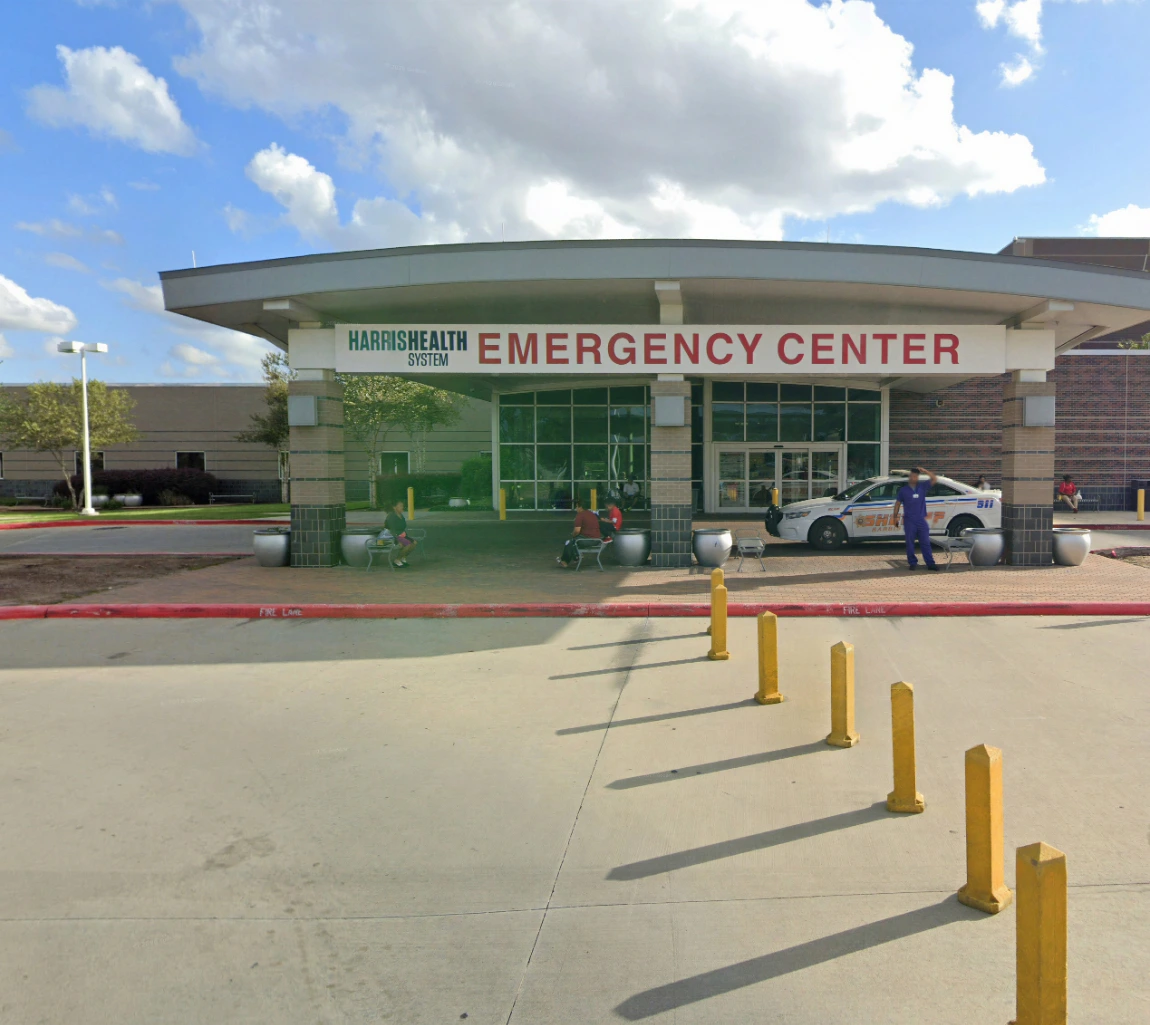
Hospitals inside that same radius — the places the ambulances would go.
Laws that make anyone tell a school or hospital it is standing in range.
A gas-transmission main — the interstate highway of natural gas. Steel up to four feet across, buried a few feet down, holding more than 1,000 pounds of pressure per square inch. Thousands of miles of it run under ordinary neighborhoods.
The federal government’s own circle around the pipe — roughly 1,100 feet for a big line. Inside it, a ruptured, ignited line throws a column of flame that can burn through walls and ignite homes before anyone can evacuate.
The ring is a formula in federal law: 0.69 times the square root of diameter squared times pressure. It exists because regulators already worked out exactly how far the fire reaches.
A school inside the ring is not a school near a pipeline. It is a school the government’s own arithmetic puts inside the burn zone — and no rule on the books says the school ever has to hear about it.
The ring around a big transmission main runs about 1,100 feet in every direction. Stand at the pipe and the far edge is three football fields away — past the sidewalk, past the schoolyard, into the classrooms.
The engineers’ name for the ring is the Potential Impact Radius, set by federal rule 49 CFR 192.903: 0.69 times the square root of the pipe’s diameter squared times its pressure. Bigger pipe, higher pressure, bigger ring. A typical main draws about 660 feet; the big interstate lines draw 1,100 or more.


The government draws the ring. The operator knows the ring. The school inside it gets nothing.
Pipeline operators are required to calculate the ring around their own lines — it decides how often the pipe gets inspected. What they are not required to do, anywhere in federal law, is warn a single school, hospital or homeowner standing inside it. Most principals have no idea. Most parents have never heard the term. The number of warnings the law requires is a clean, round zero.
That is why The Big Drop built the map the operators never mailed: type in a town, see the schools in the ring, see how far the fire would reach.
The pressure is run by computers. The failure point is run by physics.
The pressure inside these lines is managed by industrial control computers — the same kind of remotely run gear this newsroom keeps finding exposed on the open internet. A controller that gets it wrong, by accident or on purpose, can push a line past its limit. What it cannot do is choose where the steel lets go. The pipe fails at its weakest point, wherever that is — under a field, or under a fence line 300 feet from a gymnasium.
The people inside the ring get no warning and no say. Most were never told they were inside it at all.
Every figure here comes from public federal data: 32,961 mapped gas-transmission segments from the U.S. Energy Information Administration, 124,778 geocoded schools from the National Center for Education Statistics, and Medicare-certified hospitals from federal hospital records. A school counts as inside the ring if it falls within a representative radius — 1,100 feet for a large main — of a mapped line. The true ring for any one pipe depends on its diameter and pressure, which operators do not publish, and the full federal pipeline map is not available for download. So read every number as a floor. The real count is higher, and there is no requirement that anyone find out.
Good choice…
I’ll be in touch as soon as I can.